







-
Tax Deduction v/s Tax Credit
Tax Deduction vs. Tax Credit: What’s the Difference and Which Saves You More Money?x Taxes can be confusing, especially when you come across terms such as tax deductions and tax credits. Both can help reduce your tax bill, but they work in completely different ways. Understanding the difference can help you make smarter financial decisions…
-

HSA V/S FSA: Key Difference
HSA vs. FSA: Key Differences You Need to Know If you have access to an employer-sponsored health benefits plan in the United States, you may have heard the terms HSA and FSA. Both accounts can help you pay for eligible healthcare expenses using money that receives favorable tax treatment, but they work very differently. Understanding…
-
How to Start Investing With $100
How to Start Investing With $100: A Beginner’s Guide to Growing Your Money A lot of people think investing is only for people who already have a lot of money. You might imagine that you need thousands of dollars, a high-paying job, or extensive knowledge of the stock market before you can become an investor.…
-
Investing for Beginners: Where Should You Start
Investing for Beginners: Where Should You Start? Investing can seem complicated when you are just getting started. You may hear people talking about stocks, mutual funds, ETFs, bonds, index funds, dividends, compound interest, and retirement accounts. With so many choices, it is natural to ask one simple question: Where should a beginner actually start? The…
-

Best Ways to Pay Off Debt Faster
Core Debt Repayment Strategies The two primary methods for paying off debt systematically are the debt avalanche and the debt snowball. Feature Debt Avalanche Debt Snowball Primary Focus Highest Interest Rate ($APR$) Smallest Balance ($) Financial Outcome Saves maximum interest May pay slightly more in total interest Psychological Impact Slower initial feedback Fast initial wins…
-

How to Build Wealth on a Law
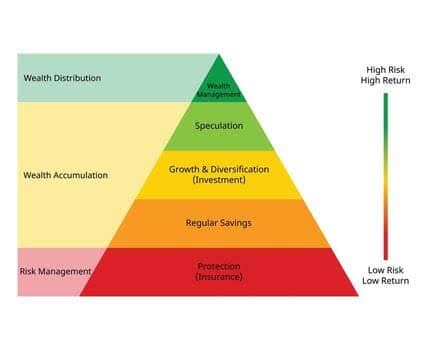
Building long-term financial independence requires a systematic approach anchored in proven economic principles. Whether you are aiming to build wealth on a low salary or simply looking for fundamental financial laws to guide your money management, sustainable wealth comes down to controlling cash flow, leveraging compounding, and protecting your capital. Diagram Explanation & Description The…
-
How Compound Interest Can Grow Your Money
Compound interest is earning interest on both your initial principal and the accumulated interest from previous periods—essentially interest on interest. How Compound Interest Works When you invest money, simple interest pays you returns based only on your original deposit. Compound interest adds your earned interest back into your principal base, so every future interest calculation…
-
401(k) vs. IRA: What the Difference Is
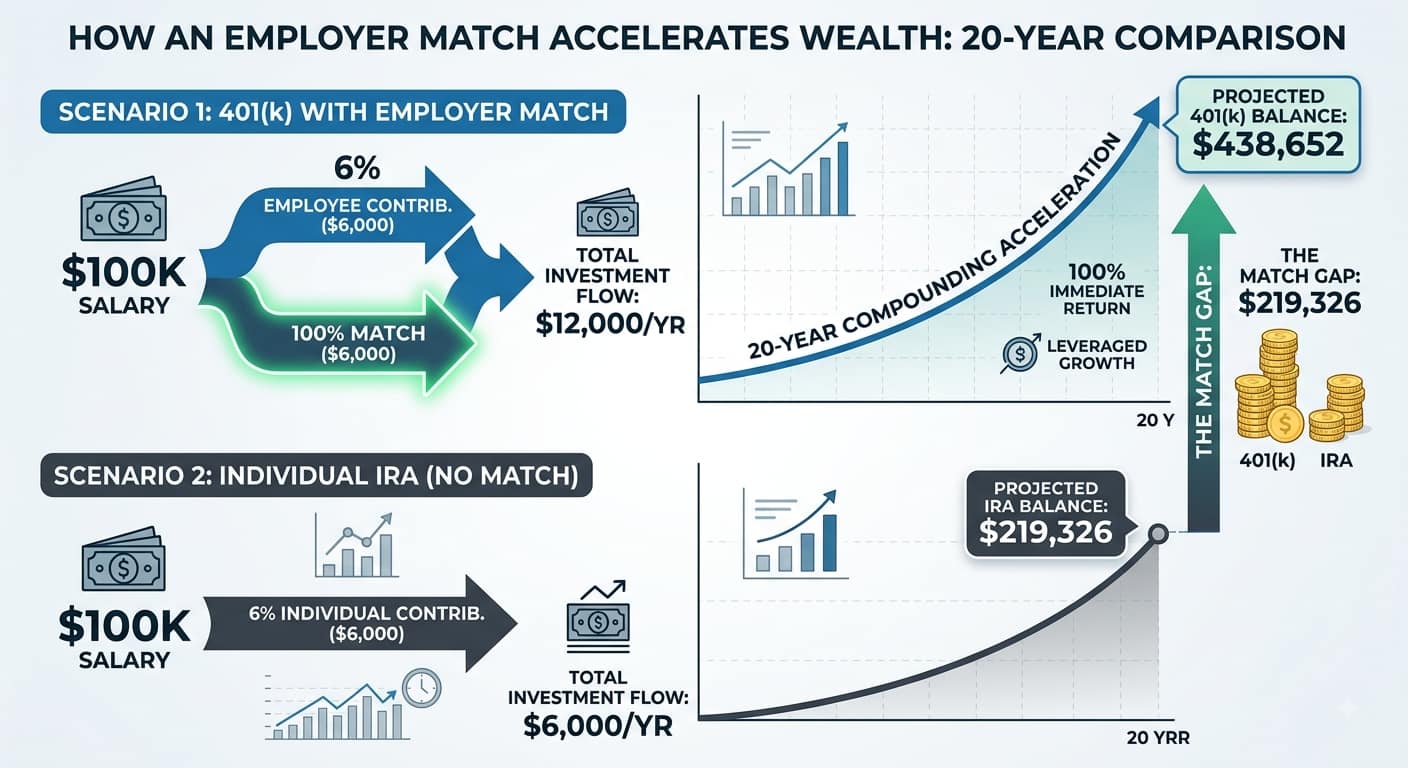
A 401(k) is an employer-sponsored retirement account tied to your job, while an IRA (Individual Retirement Account) is a personal account you set up independently through a brokerage firm (like Vanguard, Fidelity, or Schwab). Both offer tax advantages to accelerate retirement savings, but they operate under completely different rules regarding contribution limits, employer matching, investment…
-

7 Money Habits That Can Make You Wealthier
7 core money habits that accelerate your path to financial independence. 1. Pay Yourself First (Automated Wealth Generation) Most people save what is left over after spending. Wealthy individuals spend what is left over after saving. Set up automatic transfers on payday that route a fixed percentage of your income directly into investment or high-yield…