

Here is an in-depth guide to hidden travel destinations across the USA that you absolutely must add to your bucket list.
1. Red River Gorge (Kentucky)
While outdoor enthusiasts flock to the packed trails of Zion or the Great Smoky Mountains, a geological wonderland sits quietly tucked away inside Kentucky’s Daniel Boone National Forest.
Why You Must Visit 😂💁🏻♂️
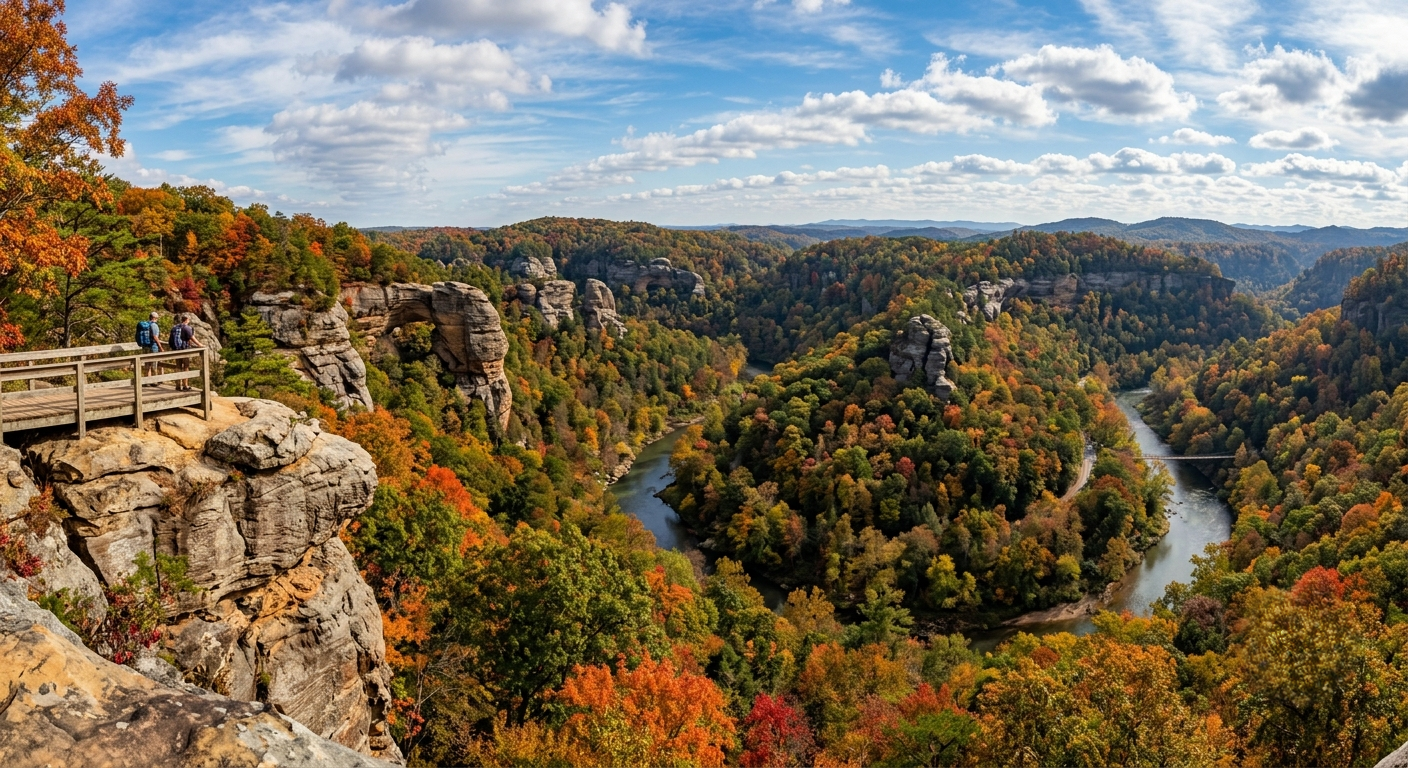
Red River Gorge is a canyon system renowned for its abundance of dramatic sandstone arches, towering cliffs, and densely forested valleys. In fact, it holds the highest concentration of natural stone arches in the United States outside of Utah. It is an absolute mecca for rock climbers globally, yet it remains relatively unknown to the average American road-tripper.
What to do when you go there?
- Hike Auxier Ridge: This trail takes you along a high, narrow ridge offering 360-degree views of the gorge, double arches, and distant forest canopies.
- Underground Kayaking: Visit the nearby subterranean cavern systems where you can take a guided, eerie kayak tour through an abandoned, flooded limestone mine.
- Miguel’s Pizza: A legendary local staple. This spot serves as the unofficial base camp for international rock climbers and hikers, offering custom-made pizzas and a uniquely vibrant, communal backyard atmosphere.
2. Hocking Hills State Park (Ohio)
Ohio is rarely top-of-mind when planning a rugged nature getaway, which makes Hocking Hills one of the most shocking and delightful surprises in the Midwest.
Lost with Lydia
Why You Must Visit 😂💁🏻♂️
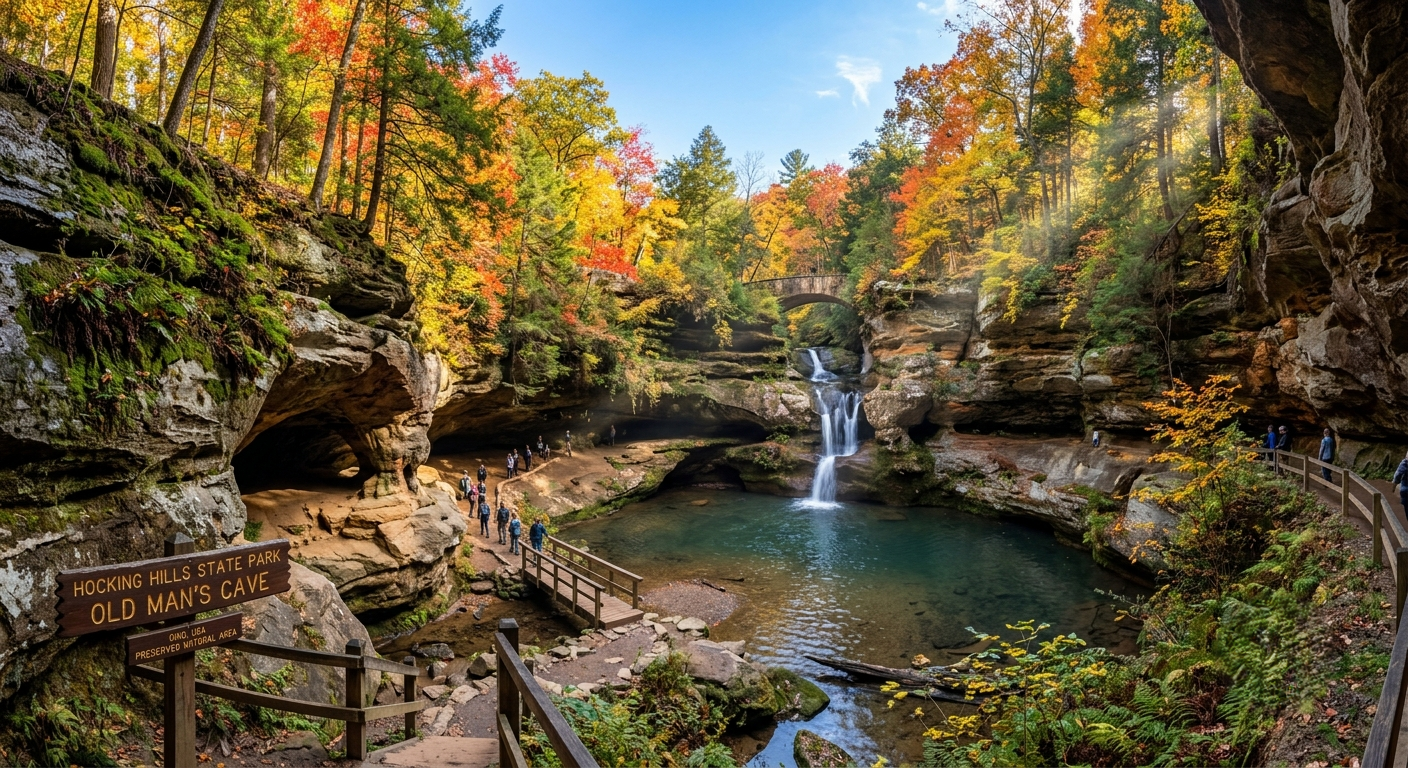
Unlike the rolling farmland that defines much of the region, Hocking Hills features deep, cool gorges; massive recessed caves; plunging waterfalls; and towering black hand sandstone formations. The microclimate within the gorges keeps the air cool and damp, allowing lush ferns and massive hemlocks to thrive, creating a landscape that feels more like the Pacific Northwest than the American Rust Belt.
What to do when you go there?
- Explore Ash Cave: Walk the easy, wheelchair-accessible trail that leads into the largest recessed cave in the state. It features a spectacular 90-foot waterfall dropping over the rim into a calm pool below.
Lost with Lydia🌎👇🏻
- Hike Old Man’s Cave: A stunning, multi-tiered gorge trail complete with stone bridges, carved steps, and dark tunnels woven directly into the rock face.
- Stay in an A-Frame or Dome: The region has exploded with creative architectural lodging, allowing you to rent high-end luxury treehouses, geodesic domes, or cozy cabins nestled deep in the woods.
3. Bentonville (Arkansas)
If you think northwest Arkansas is nothing but corporate headquarters, Bentonville will completely shatter your expectations.
Why You Must Visit 😂💁🏻♂️
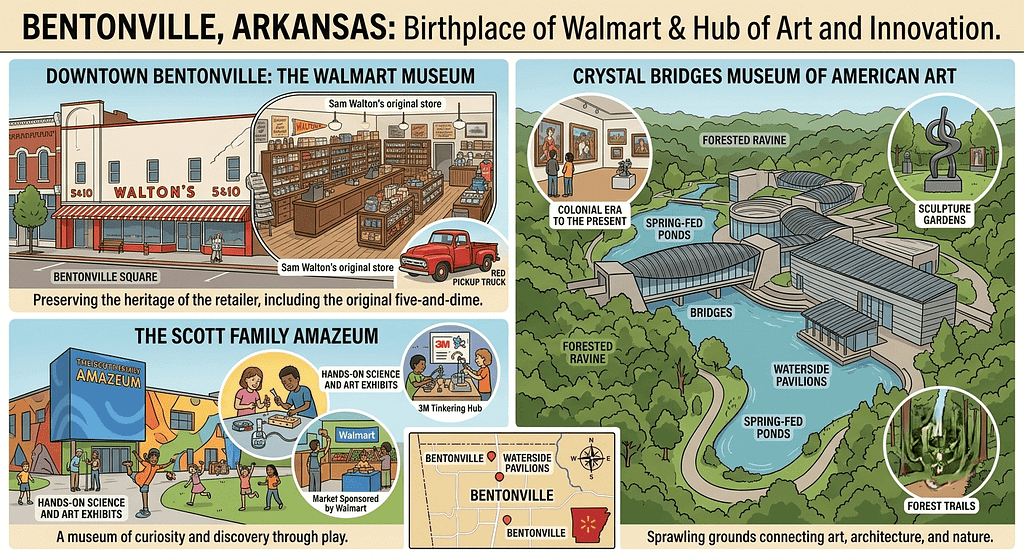
Bentonville has quietly transformed into a world-class cultural hub. Funded heavily by the Walton family foundations, this small town has built a booming, cutting-edge art scene, a sophisticated culinary landscape, and has earned the title of the “Mountain Biking Capital of the World” due to hundreds of miles of pristine, purpose-built singletrack trails radiating from the town center.
What to do when you go there?
- Crystal Bridges Museum of American Art: Designed by renowned architect Moshe Safdie, this world-class museum is nestled into the Ozark forest and features a premier collection of American art spanning five centuries. The best part? General admission is completely free.
- Ride the Trails: Rent an e-bike or mountain bike downtown and jump directly onto the trails. The paths cater to all levels, featuring art installations, wooden boardwalks, and beautiful forest scenery.
- Dine at The Preacher’s Son: Eat a world-class, entirely gluten-free dinner inside a beautifully restored, historic Gothic Revival church.
4. Cumberland Island National Seashore (Georgia)
Tucked against the southeastern tip of Georgia lies an isolated barrier island where nature and history have staged a beautiful, haunting takeover.
Why You Must Visit 😂💁🏻♂️
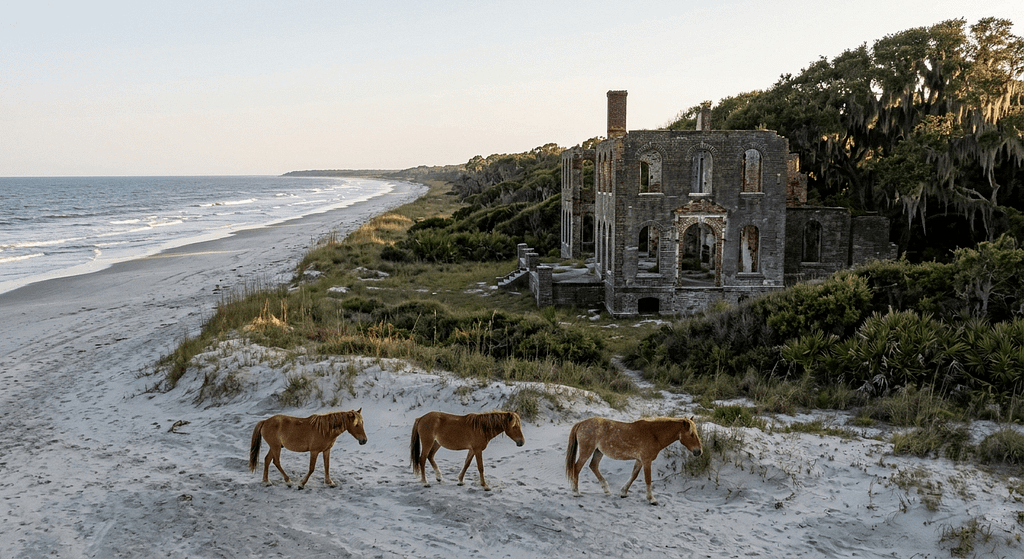
Cumberland Island is only accessible by boat or passenger ferry, strictly limiting the number of daily visitors. The island features over 17 miles of completely undeveloped, windswept Atlantic beaches, maritime forests draped heavily in Spanish moss, and—most famously—a thriving population of wild, feral horses that roam freely across the dunes.
What to do when you go there?
- Explore Dungeness Ruins: Wander through the brick-and-stone ruins of a massive 59-room mansion built by Thomas Carnegie in the late 19th century, which burned down in the 1950s. Today, wild horses graze on the manicured lawns under the skeletal remains of Gilded Age luxury.
- Bike the Main Road: Rent a bicycle from the park service or bring your own on the ferry. Pedal down the dirt roads under a dense canopy of live oaks that completely blocks out the sun.
- Backpack and Camp: For true solitude, reserve a backcountry camping permit to sleep under the stars, waking up to empty beaches and completely silent salt marshes.
5. San Juan Islands (Washington)
While travelers line up for the beaches of Southern California or the rugged cliffs of Oregon, this archipelago in the Pacific Northwest offers a tranquil, European-style coastal escape.
Why You Must Visit 😂💁🏻♂️
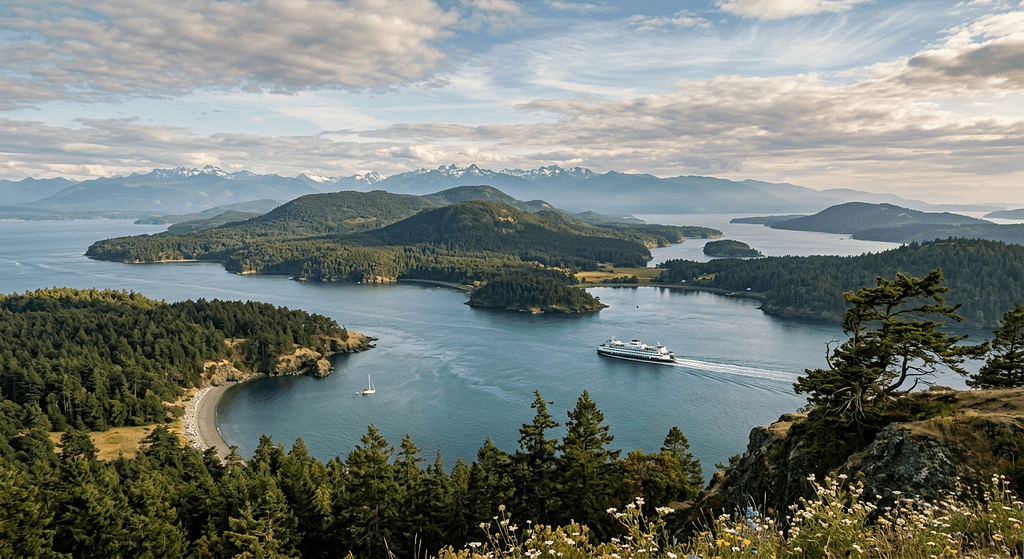
Squeezed between Seattle and Vancouver, the San Juan Islands sit in the rain shadow of the Olympic Mountains, meaning they get significantly more sunshine than the rest of Western Washington. The islands are characterized by historic lighthouses, calm pebble beaches, farmland, and crystal-clear waters populated by pods of resident Orca whales.
What to do when you go there?
- Whale Watching from Shore: Head to Lime Kiln Point State Park on San Juan Island, widely considered one of the best places in the world to spot wild killer whales directly from the rocky coastline.
- Explore Orcas Island: Drive or bike up to Mount Constitution, the highest point in the islands, for a sweeping view of the snow-capped Cascade mountains and surrounding emerald channels.
- Sea Kayaking: Take a guided sea kayak tour through the calm inlets of Friday Harbor, paddling alongside harbor seals, bald eagles, and bioluminescent waters at night.
6. Fort Collins (Colorado)
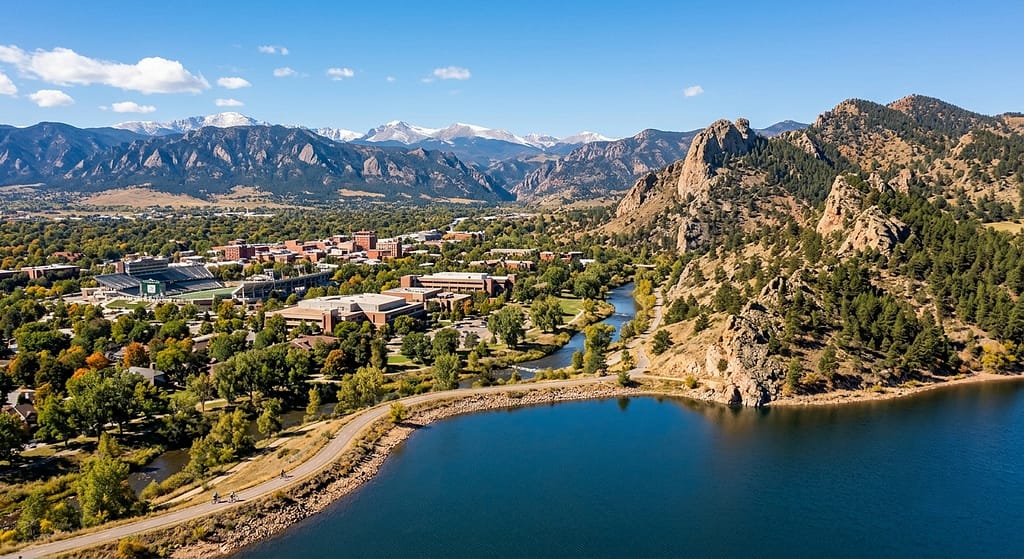
Denver and Boulder draw the massive crowds of skiers and sightseers, but an hour north sits a vibrant, laid-back gem that perfectly captures the Colorado lifestyle without the pretension.
Why You Must Visit 😂💁🏻♂️
Fort Collins serves as the gateway to the Roosevelt National Forest, boasting immediate mountain access alongside a thriving historic downtown. In fact, the town’s charming 19th-century brick architecture was the direct visual inspiration for Walt Disney when he designed Main Street, U.S.A. at Disneyland. It is also the undisputed craft beer capital of Colorado, producing a massive percentage of the state’s microbrews.
What to do when you go there?
- Brewery Hopping by Bike: Fort Collins is incredibly bike-friendly. Rent a cruiser and ride down the Cache la Poudre River trail to visit world-famous breweries like New Belgium, Odell, and Funkwerks.
- Hike Horsetooth Mountain: Climb up to the iconic rock formation overlooking the town and the massive reservoir below. It is a premier spot for hiking, mountain biking, and bouldering.
- Catch a Show at the Mishawaka: Located up the Poudre Canyon, this historic amphitheater sits directly on the banks of a roaring river, making it one of the most intimate and scenic music venues in the country.
7. Duluth and the North Shore (Minnesota)
Most coastal travelers completely overlook the “Third Coast” of the United States—the massive, ocean-like expanses of the Great Lakes.
Why You Must Visit 😂💁🏻♂️
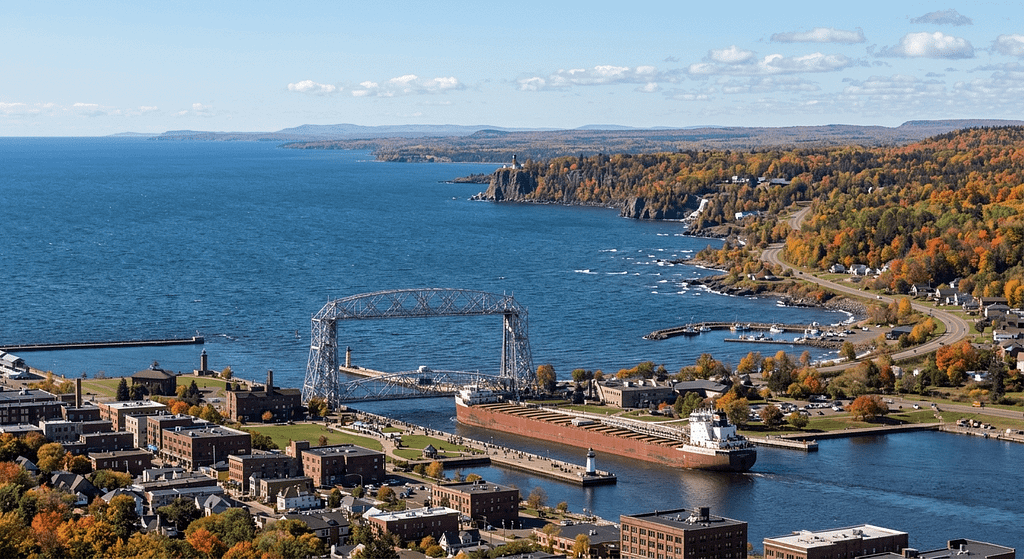
Duluth sits at the westernmost tip of Lake Superior, the largest freshwater lake in the world by surface area. Driving northeast out of Duluth along Highway 61 takes you down Minnesota’s North Shore. The drive mimics the dramatic, moody energy of Highway 1 in California, featuring jagged black volcanic cliffs, crashing waves, lighthouses, and pristine pine forests.
What to do when you go there?
- Visit Split Rock Lighthouse: Perched precariously on a 130-foot sheer cliff overlooking the volatile waters of Lake Superior, this beautifully restored 1910 lighthouse is incredibly photogenic.
- Hike the Superior Hiking Trail: Section-hike a portion of this massive 310-mile trail that winds along the ridges above the lake, crossing roaring waterfalls and hidden gorges.
- Watch the Ships at Canal Park: Sit by the iconic Aerial Lift Bridge in Duluth to watch massive, 1,000-foot ocean-going cargo ships glide silently into the harbor from all over the world.
8. Bisbee (Arizona)
While tourists pack the streets of Sedona or Scottsdale, the far southern mountains of Arizona hold a quirky, steep enclave that feels entirely stuck in time.
Why You Must Visit 😂💁🏻♂️
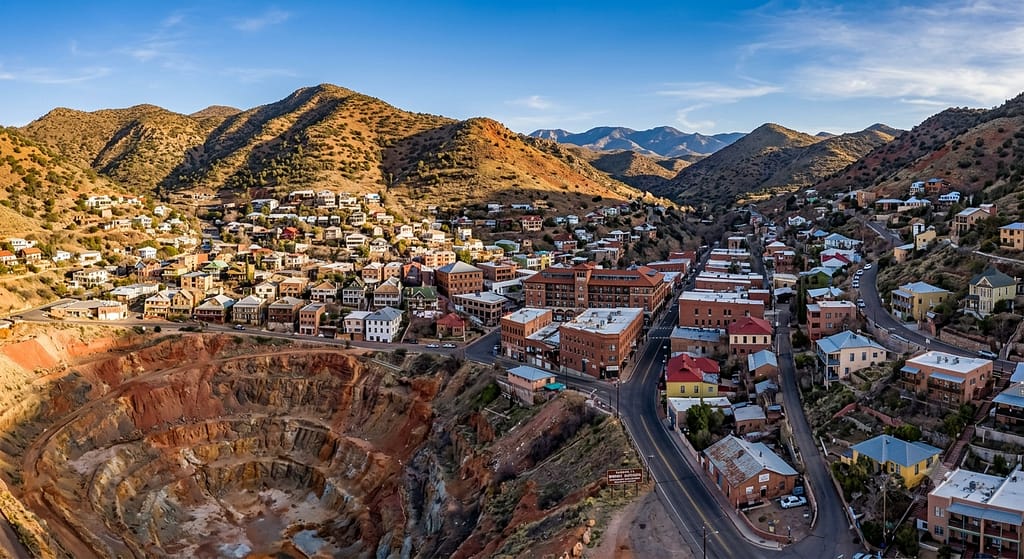
Bisbee was once a booming 19th-century copper mining town, known as the “Queen of the Copper Camps.” When the mines closed in the 1970s, the town was saved from becoming a ghost town by an influx of artists, hippies, and eccentrics. Built entirely into the steep hillsides of the Mule Mountains, Bisbee features no traditional grid layout; instead, the town is connected by historic architectural stairways, colorful alleyways, and beautifully preserved Victorian homes.
What to do when you go there?
- Take the Queen Mine Tour: Don a hard hat and a miner’s headlamp to ride a subterranean train deep inside the historic underground copper shafts.
- Tackle the Bisbee 1000: Walk the town’s famous maze of public stairways that scale the cliffs, taking in the vibrant street art, hidden outdoor sculpture gardens, and panoramic desert mountain views.
- Soak in the Vibe at Brewery Gulch: Once a wild district filled with dozens of saloons and brothels, it is now home to eclectic bars, local craft breweries, and quirky antique shops.
9. Devil’s Den Spring (Florida)
Florida is famous for its crowded theme parks and sandy beaches, but its geological interior hides an underworld that looks entirely prehistoric.
Jess Wandering
Why You Must Visit 😂💁🏻♂️
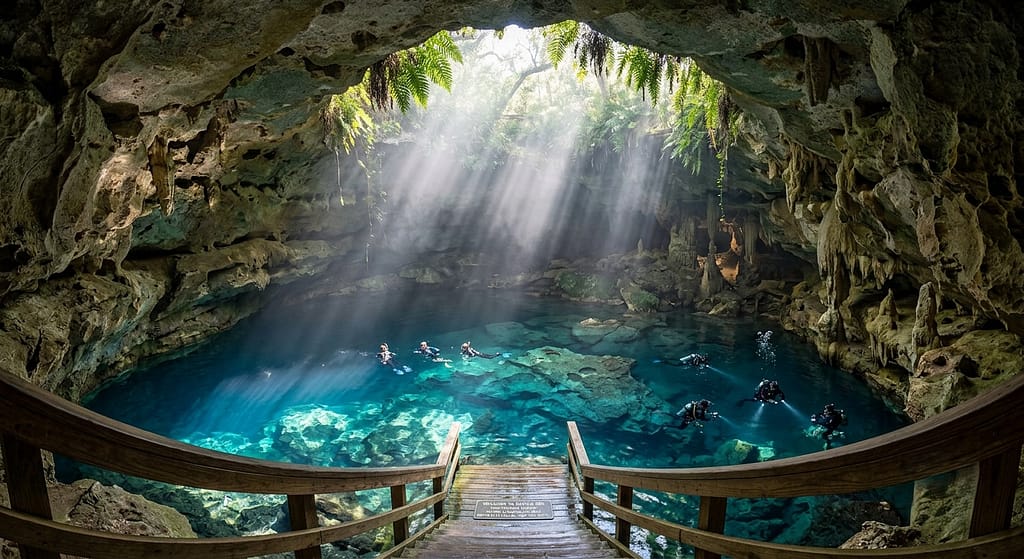
Located in Williston, Devil’s Den is a subterranean spring located inside a dry karst cave. The roof of the cave collapsed long ago, creating a small, natural skylight that lets beams of sunlight cut down into an underground pool of crystal-clear, 72-degree water. The cave walls are draped in ferns and ancient rock formations, creating an otherworldly environment hidden completely below the flat Florida landscape.
What to do when you go there?
- Scuba Dive or Snorkel: Because the spring is highly protected, you cannot simply go swimming; you must bring or rent snorkel or scuba gear. Swimming through the subterranean rock passages with sunbeams dancing around you is unforgettable.
- Explore Cedar Key: Pair your trip with a drive to this nearby, sleepy historic fishing village on the Gulf Coast that has completely resisted modern commercial resort development.
10. The Lost Coast (California)
California’s Pacific Coast Highway is legendary, but there is a massive stretch of the northern coastline where the road simply gives up and turns inland.
Nomadic Matt
Why You Must Visit 😂💁🏻♂️
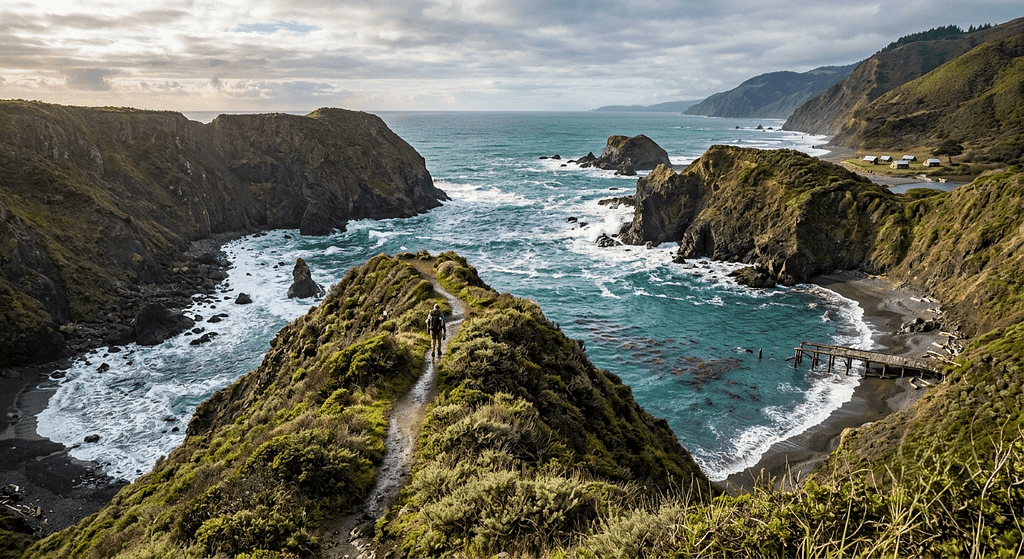
Due to the sheer, vertical steepness of the King Range mountains rising straight out of the ocean, mid-century highway engineers realized it was physically impossible to build a paved road along this stretch of coast. The result is the “Lost Coast”—the most remote, untouched, and wild stretch of coastline left in California, defined by black sand beaches, dense redwood forests, and complete isolation.
What to do when you go there?
- Backpack the Lost Coast Trail: A world-famous 25-mile coastal backpacking route. You must time your hikes precisely with ocean tide charts, as parts of the trail are completely swallowed by the crashing Pacific ocean during high tide.
- Visit Shelter Cove: Drive down the long, winding, white-knuckle mountain road to reach this tiny, isolated coastal outpost. It features dramatic black sand beaches and a quiet harbor where you can watch sea lions haul out onto the rocks.
Summary Matrix of Hidden Gems
| Destination | Landscape Profile | Vibe | Best Time to Visit |
| Red River Gorge, KY | Sandstone Arches & Canyons | Adventurous & Outdoorsy | Autumn (Peak Foliage) |
| Hocking Hills, OH | Recessed Caves & Deep Gorges | Cozy & Picturesque | Late Spring / Winter |
| Bentonville, AR | Ozark Woods & Urban Art Hub | Cultural & Active | Spring / Fall |
| Cumberland Island, GA | Windswept Coast & Historic Ruins | Haunting & Serene | Spring / Late Autumn |
| San Juan Islands, WA | Pacific Northwest Archipelago | Maritime & Tranquil | Summer |
| Fort Collins, CO | Rocky Mountain Foothills | Microbrews & College Town | Summer / Early Fall |
| Duluth/North Shore, MN | Volcanic Cliffs & Freshwater Ocean | Rugged & Industrial-Chic | Summer / Autumn |
| Bisbee, AZ | Steep Mountain Mining Camp | Quirky, Artistic & Retro | Winter / Spring |
| Devil’s Den Spring, FL | Subterranean Karst Cave | Prehistoric & Immersive | Winter / Early Spring |
| The Lost Coast, CA | Sheer Coastal Cliffs & Black Sand | Isolated & Wild | Summer / Early Fall |
Q1: Are these hidden gems suitable for family vacations, or are they geared towards seasoned adventurers?
There is a wonderful mix of both. Destinations like Hocking Hills State Park, Bentonville, and Fort Collins are absolute paradises for families. They offer smooth, paved walking paths, engaging public museums, and excellent dining infrastructure.
On the other hand, places like the Lost Coast of California or backpacking through Cumberland Island require rigorous physical preparation, remote wilderness skills, and careful logistical planning. Always evaluate the specific trails and access points based on your group’s comfort level.
Q2: Why is it called “Devil’s Den” Spring?
The spring earned its dramatic name from early winters in the 19th century. Because the underground water remains at a constant 72 degrees Fahrenheit year-round, the warm water creates a noticeable column of steam when it meets the cold winter morning air outside. Early settlers looking across the landscape saw hot steam rising out of a mysterious hole in the ground and remarked that it looked like smoke escaping from the devil’s den.
Q3: Do I need a special permit to visit these remote areas?
For general day visits to places like Hocking Hills, Fort Collins parks, or Bentonville’s museums, no permits are required. However, the more ecologically sensitive and isolated locations do enforce strict permit systems to prevent overcrowding. You must secure ferry reservations well in advance for Cumberland Island, diving reservations for Devil’s Den, and highly competitive wilderness permits if you plan on backpacking the Lost Coast Trail or camping in the backcountry of the gorge systems.
Lost with Lydia
Q4: How can I travel sustainably while visiting these under-the-radar destinations?
The surge of travelers seeking “hidden gems” can easily overwhelm small towns and fragile ecosystems that lack massive park infrastructure. Practicing strict Leave No Trace principles is paramount. Stay strictly on marked trails to prevent erosion, pack out every single piece of trash, respect local wildlife boundaries (especially the wild horses on Cumberland Island), and funnel your travel spending directly into locally-owned boutique hotels, grocery stores, and restaurants rather than corporate chains.
Q5: Can I visit the San Juan Islands without a car?
Absolutely. In fact, visiting without a car can be a much more relaxing experience. The Washington State Ferry system allows walk-on passengers for a fraction of the cost of bringing a vehicle. Once you land in Friday Harbor on San Juan Island, the historic downtown area is completely walkable, and you can easily rent mopeds, electric bicycles, or hop onto the seasonal island shuttle buses to explore the beaches, parks, and whale-watching vista points across the island.
Leave a Reply